
What Are The Most Common Security Mistakes Homeowners Make?
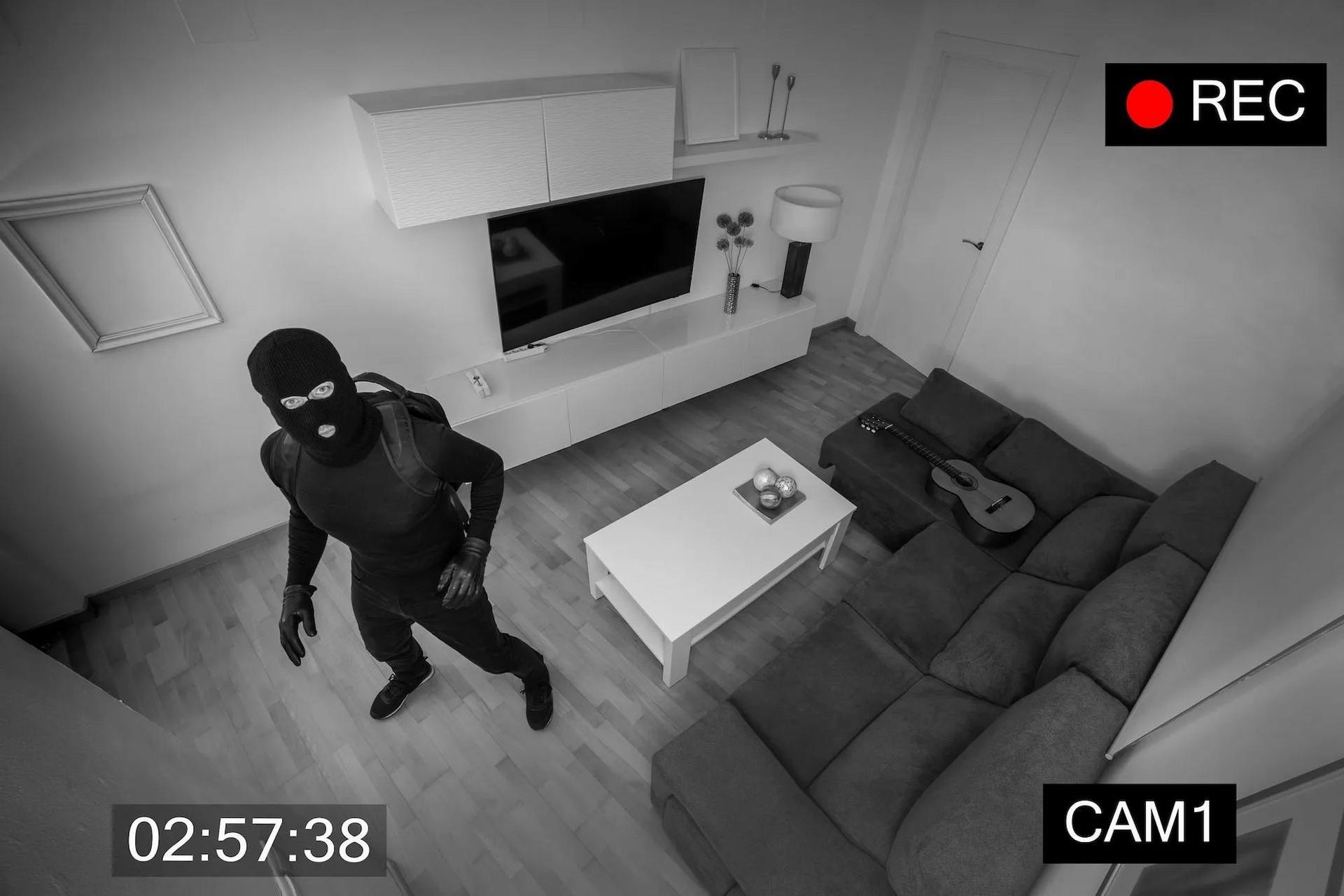
Most home break-ins don't happen because of sophisticated attacks on modern security systems. They happen because of simple, preventable oversights that make a property easier to access than it should be. Unlocked doors, outdated locks, poor lighting and neglected maintenance are the kinds of vulnerabilities that accumulate quietly over time — and they're far more common than most homeowners realise. For anyone on the Gold Coast looking to reduce their exposure to break-ins and security breaches, understanding where these gaps tend to appear is the most practical starting point. This guide covers the most common security mistakes and what can be done about each of them.
Leaving Doors and Windows Unlocked
It sounds too obvious to mention, but unlocked doors and windows remain one of the most common points of entry in residential break-ins. The front door gets locked, but the laundry window gets left open. The garage door is secured, but the door from the garage into the house is not. Side gates are left unlatched.
The habit of doing a full perimeter check before leaving the property — every door, every window, every secondary access point — is one of the simplest security improvements a homeowner can make. For larger properties or rental properties with multiple entry points, a written or physical checklist helps make this consistent rather than relying on memory.
Relying on Weak or Outdated Locks
Not all locks offer the same level of resistance. Older deadbolts, builder-grade locks and low-quality padlocks can be compromised quickly by someone with basic tools and a modest amount of time. If the locks on a property haven't been assessed or upgraded in a number of years, it's worth having a locksmith on the Gold Coast evaluate whether they're still fit for purpose.
The most common weak points include:
- Front door locks that are original builder-grade hardware from when the property was built
- Sliding door locks that rely on a simple latch rather than a proper deadlock
- Side and rear door locks that receive less attention than the main entry but offer the same access to the property
- Padlocks on gates and outbuildings that are cheap, old or left unlocked in the open position
Upgrading to high-security deadbolts, adding secondary locks to sliding doors and replacing outdated hardware are straightforward improvements that meaningfully increase resistance to forced entry.
Poor Key Management
Misplaced spare keys are a more significant vulnerability than most people treat them. The hide-a-key under the doormat or in the letterbox is widely known as a common practice — and widely known to the people you'd prefer didn't find it. Spare keys left with neighbours, ex-tenants or tradespeople who are no longer associated with the property represent ongoing access risk if those keys are never recovered.
Practical key management means:
- Knowing exactly how many copies of each key exist and who holds them
- Recovering keys from anyone who no longer needs access — contractors, previous tenants, former occupants
- Using a locksmith Gold Coast property owners trust to rekey locks when key control has been lost rather than simply changing which key is hidden where
- Considering electronic or smart locks for properties with multiple occupants or frequent access changes, where key management is an ongoing challenge
Rekeying is a low-cost intervention compared to the cost of a break-in or the stress of knowing an unaccounted-for key is somewhere in circulation.
Neglecting Secondary Entry Points
The front door gets the most attention because it's the most visible entry point. Secondary entry points — garage doors, side gates, back doors, doggy doors and ground-floor windows — often receive far less consideration and are correspondingly more vulnerable.
Garages are a particularly common weak point. An unlocked or poorly secured internal garage door provides access to the full property once the garage itself is accessed. Smart garage door openers with rolling codes are considerably more secure than older fixed-code systems, and the internal door from a garage into the living areas should be treated with the same security standard as an external front door.
Ground-floor windows with inadequate locks, particularly on the sides and rear of a property, are another consistent vulnerability. Window locks that can be forced with minimal effort, or windows that can be opened from outside by reaching through a flyscreen, provide little meaningful security.
Inadequate Lighting
Poor lighting around a property's exterior creates cover that makes it easier to approach entry points without being seen. Well-lit properties — particularly at entry points, along side paths and around rear access areas — are a straightforward deterrent because they remove that cover.
Motion-activated lighting is particularly effective because it doesn't require the homeowner to remember to turn external lights on, and it draws attention to movement at times when it's unexpected. For rental properties and investment properties where the owner isn't on-site, automated lighting timers and motion sensors provide ongoing deterrence without requiring active management.
Overgrown Landscaping
Dense hedging, overgrown shrubs and trees with low canopy cover near windows and entry points can provide concealment that makes a property more attractive as a target. This doesn't mean every garden needs to be stripped back to bare lawn — but landscaping near entry points, windows and side access is worth reviewing with security in mind alongside aesthetics.
Trimming hedges below window sill height, removing dense plantings near entry doors and maintaining clear sightlines to the front of the property from the street are practical adjustments that reduce concealment opportunities without significantly affecting the garden's appearance.
Unmaintained or Outdated Security Systems
A security system that hasn't been maintained is a security system that may not work when it's needed. Alarm systems, sensors, cameras and monitoring services all require periodic checking and maintenance to remain functional. Dead batteries in sensors, cameras with obstructed or misdirected views, and alarm systems that haven't been tested in years are common findings on properties that believe they have working security coverage but actually don't.
The same applies to lock hardware. Locks that are stiff, difficult to operate or showing visible wear may be compromised in ways that aren't obvious without closer assessment. A locksmith on the Gold Coast can inspect lock condition and advise on whether hardware is still performing at the standard it was installed to.
Sharing Security Information Carelessly
Alarm codes, lock combinations and details about a property's security setup shared too widely are a vulnerability in their own right. Access codes shared with tradespeople for a one-off visit but never changed afterward, security system details discussed openly in contexts where they could be overheard, and alarm codes written down in obvious locations all represent information that can reduce the effectiveness of the security measures in place.
Updating alarm codes periodically and after any change in who has had access to that information is a basic maintenance step that's often overlooked.
Ignoring Early Warning Signs
Locks that suddenly become difficult to operate, doors that no longer close cleanly, gates with damaged latches and sensors that trigger unreliably are all signs that something needs attention. These issues tend to be treated as minor inconveniences rather than security concerns — but a lock that's difficult to engage is a lock that sometimes doesn't get engaged, and a sensor that triggers false alarms regularly is one that eventually gets ignored.
Addressing these issues promptly, rather than adapting around them, keeps security systems functioning as they should.
Get in Touch
At Border Locksmiths & Electronic Security, we work with homeowners, landlords and property managers across the Gold Coast who want to address the security gaps that accumulate over time rather than wait until a problem makes them urgent.
Whether it's a lock assessment, a rekey after a change in tenancy, an upgrade to higher-security hardware or advice on access control for a property with multiple entry points, our team is available to help. Get in touch to arrange an assessment or discuss your situation.


